Atemis Invoicing Software: Features and Use Cases for Managing Your Business Finances
Running a business involves more than selling products or delivering services. Business owners must also keep track of transactions, document payments, manage outstanding balances, and ensure customers pay for the work they receive.
As a business grows, handling these activities manually can become increasingly difficult. Keeping records in notebooks, creating invoices individually, and tracking customers who have yet to pay can consume valuable time and make financial management unnecessarily complicated.
This is where invoicing software becomes useful.
Atemis is an invoicing solution designed to help businesses create invoices, organise customer billing records, and manage their invoicing processes more efficiently. Instead of relying entirely on manual paperwork, businesses can use Atemis to bring important invoicing activities into one organised workspace.
In this article, we explore the key features of invoicing software, how Atemis can support everyday business operations, and the different types of businesses that can benefit from using it.
What Is An Invoicing Software?
An invoicing software is a digital tool that helps businesses create, manage, issue, and keep records of invoices.
An invoice is a commercial document that records the goods or services a business has provided to a customer and the amount the customer is expected to pay.
For example, imagine a graphic design agency completes a branding project for a client. After delivering the project, the agency needs to communicate the cost of the work, the agreed payment terms, and the amount outstanding.
Rather than preparing this document manually every time, the agency can use invoicing software to generate an invoice containing the relevant information.
Beyond creating invoices, invoicing software helps businesses organise billing records, monitor outstanding payments, and maintain a clearer picture of their accounts receivable.
Key Features of Atemis Invoicing Software
The usefulness of invoicing software depends on how well its features address everyday business challenges.
Here are some important invoicing capabilities and how Atemis can support business billing operations.
1. Professional Invoice Creation
Creating invoices is one of the most fundamental activities in any invoicing system.
Atemis provides a digital approach to preparing invoices, helping businesses document the products or services they have provided and the amounts customers are expected to pay.
Instead of repeatedly preparing invoice documents from scratch, businesses can organise invoice information in a structured format.
A typical invoice contains:
- Business name and contact information.
- Customer details.
- Invoice number.
- Invoice date and due date.
- Description of products or services.
- Quantity and unit price.
- Subtotal and applicable taxes.
- Total amount payable.
- Payment terms.
Having these details properly documented makes invoices easier for customers to understand and easier for businesses to manage.
2. Customer Information Management
Keeping customer information organised is important for maintaining an efficient invoicing process.
Businesses that work with multiple customers need a reliable way to identify who they are billing and maintain accurate customer records.
Atemis helps bring customer billing information into a more organised digital workflow.
This is particularly useful for businesses that regularly provide services, sell products on credit, or maintain ongoing relationships with customers.
Rather than repeatedly searching through old documents for customer information, businesses can work with organised customer records when managing their invoicing activities.
3. Invoice Tracking and Management
Creating an invoice is only one part of the invoicing process. Businesses must also know what happens after an invoice has been issued.
Has the customer paid? Is the invoice still outstanding? Which payments need to be followed up?
Without proper records, answering these questions can become difficult.
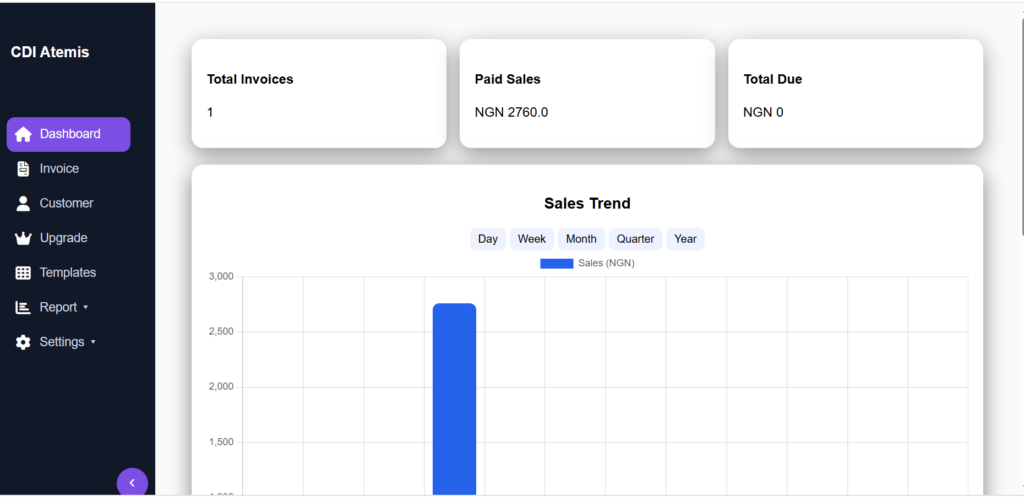
Atemis helps businesses organise and manage their invoices, making it easier to maintain an overview of billing activities and outstanding customer balances.
This gives business owners a better foundation for monitoring accounts receivable and following up on unpaid invoices.
4. Payment Monitoring
An invoice represents an expected payment, but issuing one does not automatically mean the business has received its money.
Businesses need to distinguish between amounts invoiced and amounts actually collected.
Payment monitoring helps business owners maintain a clearer record of their financial transactions and identify outstanding customer obligations.
With an organised invoicing process, businesses can more easily determine which customers still have payments to make and which invoices have been settled.
This is especially important for businesses that offer services on credit or allow customers to pay after receiving products.
5. Invoice and Customer Record Organisation
Business records become increasingly difficult to manage as transaction volumes increase.
When invoices are scattered across email conversations, spreadsheets, and physical documents, finding a particular transaction can take unnecessary time.
Atemis provides a centralised approach to managing invoicing information.
Keeping customer and invoice records organised makes it easier to review previous transactions, reference billing information, and maintain continuity in customer relationships.
It also provides a more structured foundation for business record-keeping.
Use Cases: Who Can Benefit from Atemis Invoicing Software?
Invoicing is not limited to large corporations. Almost every business that charges customers for products or services can benefit from an organised invoicing process.
Here are some practical examples.
1. Freelancers and Independent Professionals
Freelancers often work with several clients simultaneously. A graphic designer, software developer, content writer, or digital marketer may complete different projects for different customers within the same month.
Each project can involve different prices, payment agreements, and delivery schedules.
Managing all these transactions manually can become confusing.
With Atemis, freelancers can organise their invoicing activities, document the cost of completed projects, and keep better records of what clients owe.
Example: A freelance web developer completes three website projects in one month. Instead of preparing and managing separate billing documents manually, the developer can use an invoicing system to organise the invoices and monitor the corresponding payments.
2. Consulting and Professional Service Businesses
Consulting firms, accounting practices, marketing agencies, and other professional service providers regularly bill customers for their expertise.
Some charge fixed project fees, while others charge hourly or monthly service fees.
For these businesses, maintaining accurate billing records is essential.
Atemis can help professional service providers document services rendered, organise customer invoices, and maintain records of outstanding payments.
Example: A marketing agency manages five clients on monthly service agreements. At the end of each billing period, the agency needs to document the services provided and the amount each client is expected to pay.
An invoicing system helps keep these billing activities organised.
3. Retail and Wholesale Businesses
Retailers and wholesalers handle transactions involving different products, quantities, and prices.
Although many retail transactions are completed immediately, businesses that supply products to other businesses may operate on credit or offer agreed payment periods.
These arrangements require proper documentation.
Atemis can support the invoicing process by helping businesses document products supplied, customer billing information, and amounts due.
Example: A wholesale distributor supplies products worth ₦450,000 to a retailer who has an agreed payment period. The distributor needs an invoice documenting the transaction and a record to reference when following up on payment.
4. Construction and Contracting Businesses
Construction companies and contractors frequently work on projects that involve multiple stages, materials, labour, and service charges.
Billing may happen at different stages of a project, making accurate documentation particularly important.
An invoicing system can help contractors organise their billing records and document the amounts charged to individual customers.
Example: An electrical contractor completes an installation project for a commercial property. The contractor needs to document the labour charges, materials supplied, and total amount payable.
Using invoicing software makes it easier to maintain a consistent record of the transaction.
5. Small and Growing Businesses
Small businesses often begin by managing their transactions using notebooks, spreadsheets, or basic document templates.
While these methods may work initially, they can become difficult to maintain as the number of customers and transactions increases.
An invoicing system provides a more structured way to manage billing activities.
Atemis can help growing businesses move towards organised digital invoicing without relying entirely on scattered documents and manual record-keeping.
Why Use Invoicing Software Instead of Creating Invoices Manually?
Creating an invoice using a word processor or spreadsheet is possible. However, the challenge is not necessarily creating one invoice; it is managing hundreds of invoices and their corresponding payments over time.
Consider the following differences:
The objective is not simply to replace paper with software. It is to make the entire invoicing process easier to organise and manage.
How to Choose the Right Invoicing Software for Your Business
Before choosing an invoicing solution, consider the specific requirements of your business.
Some important factors include:
Ease of use: The software should make creating and managing invoices straightforward without requiring complicated procedures.
Customer management: It should support an organised approach to customer billing information.
Invoice tracking: You should be able to maintain records of issued invoices and identify outstanding payments.
Scalability: The solution should accommodate your business as its customer base and transaction volume increase.
Affordability: Subscription costs should be reasonable relative to the value the software provides.
Accessibility: Consider whether you can access your invoicing records conveniently when managing your business.
Choosing software based on these factors can help prevent the inconvenience of switching systems as your business grows.
Manage Your Business Invoicing with Atemis
Managing invoices should not become a separate administrative burden that takes attention away from running your business.
Whether you are a freelancer managing multiple projects, a consulting firm billing clients monthly, or a growing business handling regular customer transactions, having an organised invoicing process makes a difference.
Atemis provides a digital invoicing solution to help businesses create invoices, organise customer billing information, and keep track of their invoicing activities.
Instead of allowing billing records to become scattered across different documents, businesses can take a more structured approach to managing their invoices.
Ready to bring more organisation to your business invoicing?
Explore Atemis and discover a simpler way to manage your invoices and customer billing records.
Visit https://www.cadaniti.com/atemis/ to learn more.